
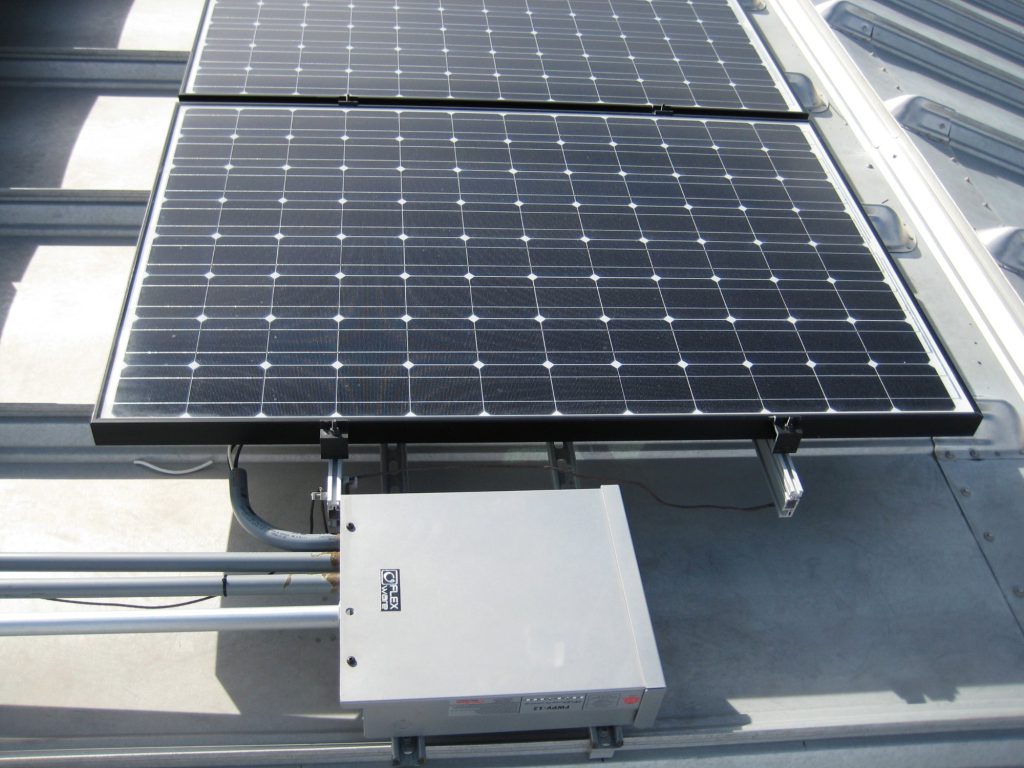
In early 2024 the Ministry of Energy and Mineral Resources issued Regulation No. 2 of 2024 on rooftop solar, replacing Regulation 26 of 2021. Two changes matter most to a hotel owner:
- Exported energy is no longer credited. Surplus power sent back to the grid from new systems does not reduce the electricity bill. Net metering, in practice, is over for new installations.
- Connections run on a quota. Grid licence holders such as PLN set multi-year quotas for rooftop solar capacity in each system, and applications are processed against them.
Systems already operating, or already approved before the new rule, were covered by transitional provisions.
What that means for sizing
Under the old rules, a larger array could bank surplus against night-time use. Now every kilowatt-hour that is not used on site the moment it is generated is effectively given away. The right size is therefore set by the property’s daytime base load, not by the roof area.
Hotels are well placed for this. Chillers or VRV systems, laundry, kitchens, pool pumps and water pumps all run through the middle of the day. A system sized to sit under that load — confirmed by a few weeks of interval metering — will see nearly all of its output used.
Size the array for the load you can see on the meter at noon, not for the roof you happen to have.
BCM Project Team
The MEP details that decide whether it performs
- Roof and waterproofing. Check the structure for the added load and design every penetration and fixing so it does not become next wet season’s leak.
- Inverters need air. In Bali’s heat, inverters installed in unventilated roof spaces derate. Give them shade and airflow.
- Coastal sites corrode. Specify mounting, fixings and enclosures for salt-laden air.
- Generators and solar must be coordinated. When the building is on generator, a solar system must not push power back into it. A proper controller or interlock is part of the design, not an extra.
- Protection and earthing are designed and tested to PUIL, the national electrical installation standard.
Rooftop solar still makes sense for a great many Bali properties. It simply has to be engineered for self-consumption — and applied for early, before the local quota is taken.