
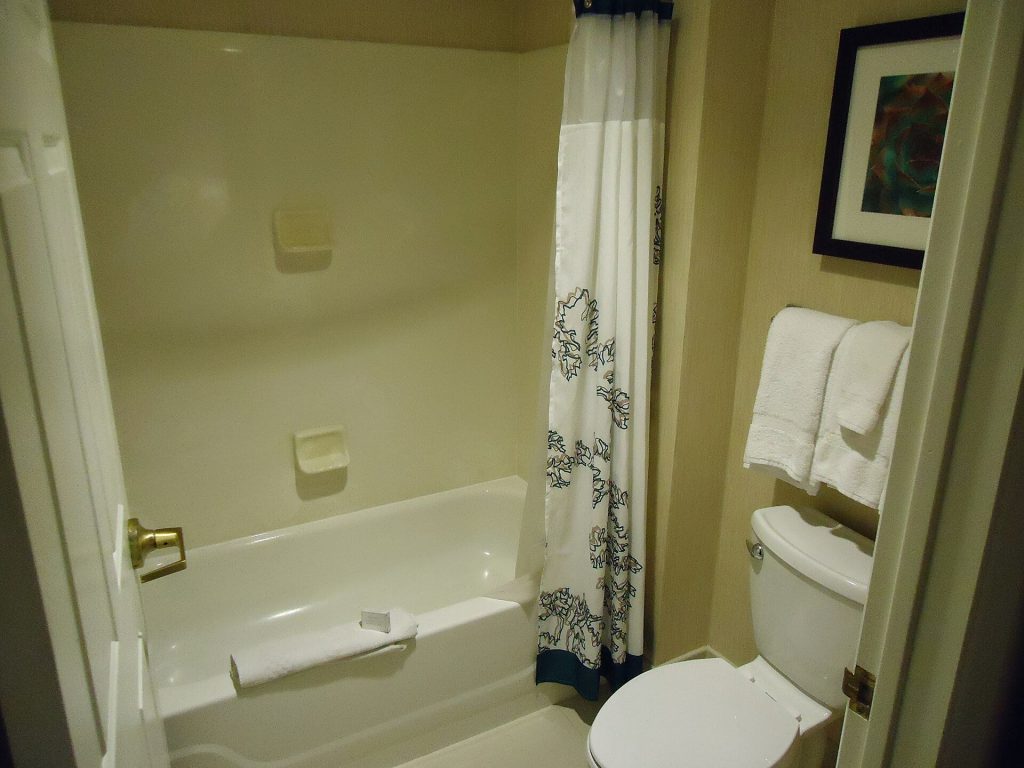
Legionella bacteria live naturally in water. They become a risk when they multiply in a building’s water system and are breathed in as fine droplets — from a shower, a spa pool or a cooling tower. Hotels are a known setting for outbreaks because their systems are large, their occupancy varies, and some outlets go unused for days.
The bacteria grow best at roughly 25–45°C. In a temperate country, cold water usually stays below that range. In Bali, cold water stored in rooftop tanks and run through ceiling voids often does not. That makes the hot water side, and keeping water moving, even more important.
Five checks
1. Hot water storage at 60°C or above
International guidance converges on storing hot water at 60°C or higher, where Legionella is killed within minutes, and keeping circulating hot water at 50°C or more throughout the system. Thermostatic mixing valves close to the outlets protect guests from scalding without lowering the temperature of the whole system.
2. No dead legs
Renovations leave behind pipe branches that once served a removed basin or shower. Water sits in them, warms up and feeds the rest of the system. Every renovation should end with dead legs cut back to the main.
In the tropics, “cold” water is often warm enough to grow bacteria. Flow and hot-water temperature have to do the work.
BCM Project Team
3. Flush outlets that are not being used
Rooms out of sale, rarely used staff showers and guest rooms after a quiet period should have their taps and showers run regularly — weekly is common practice — and before a guest checks in after a long vacancy.
4. Keep tanks cool and covered
Rooftop cold water tanks should be covered, insulated or shaded, inspected and cleaned on a schedule. Sediment and biofilm at the bottom of a sun-warmed tank give bacteria everything they need.
5. Treat and inspect cooling towers
Cooling towers need continuous water treatment, regular cleaning and a maintenance record that someone actually reads. They can spread contaminated droplets well beyond the plant room.
Write it down
The properties that manage this well keep a simple water management plan: a schematic of the system, the temperatures to be checked and where, the flushing schedule, and who is responsible. It is a small document that protects guests and the hotel’s reputation.